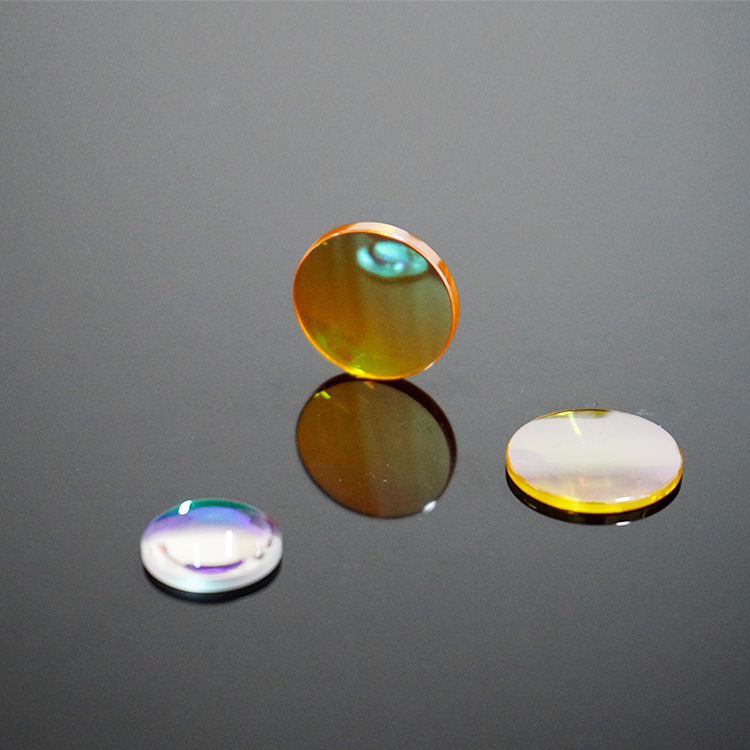
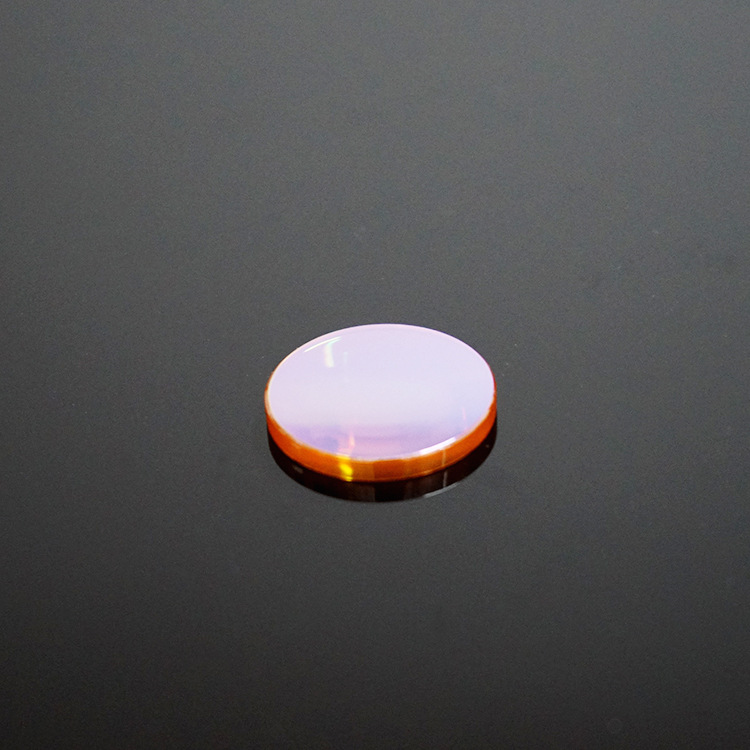
Wavelength Photoelectric Monolithic Focusing Mirror CO2 Focusing Mirror Laser Welding Cutting Engraving Processing Focusing Lens


Wavelength Photoelectric Monolithic Focusing Mirror CO2 Focusing Mirror Laser Welding Cutting Engraving Processing Focusing Lens
Glass focusing lens
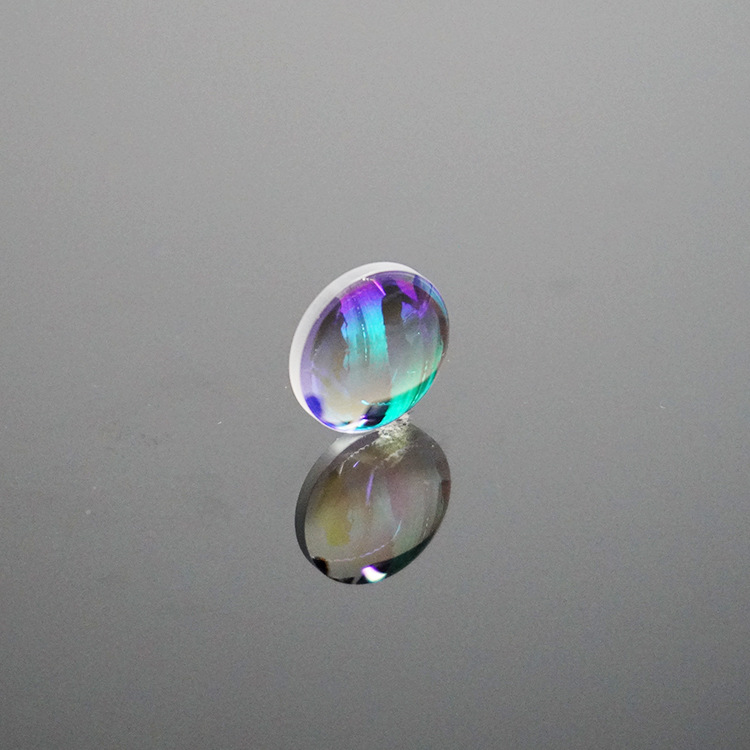
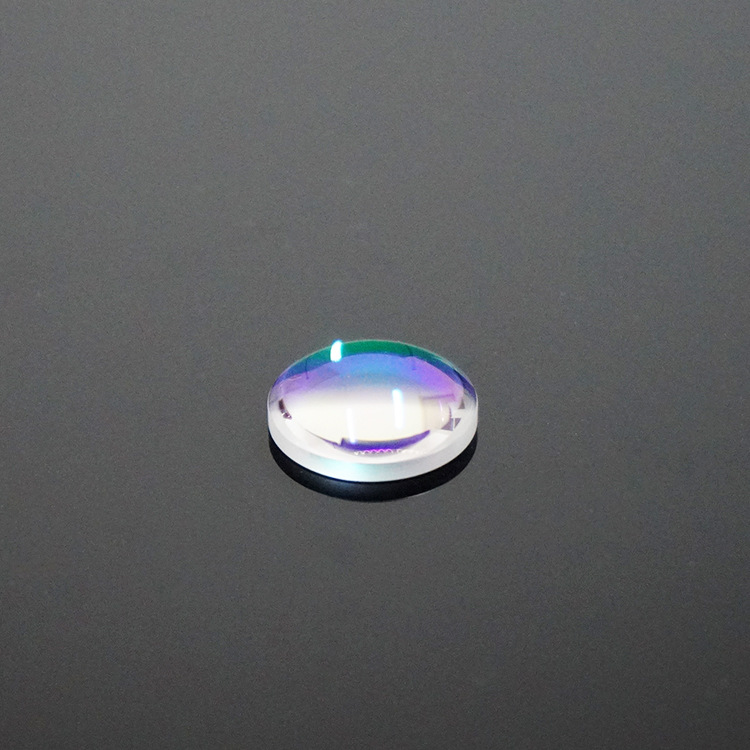
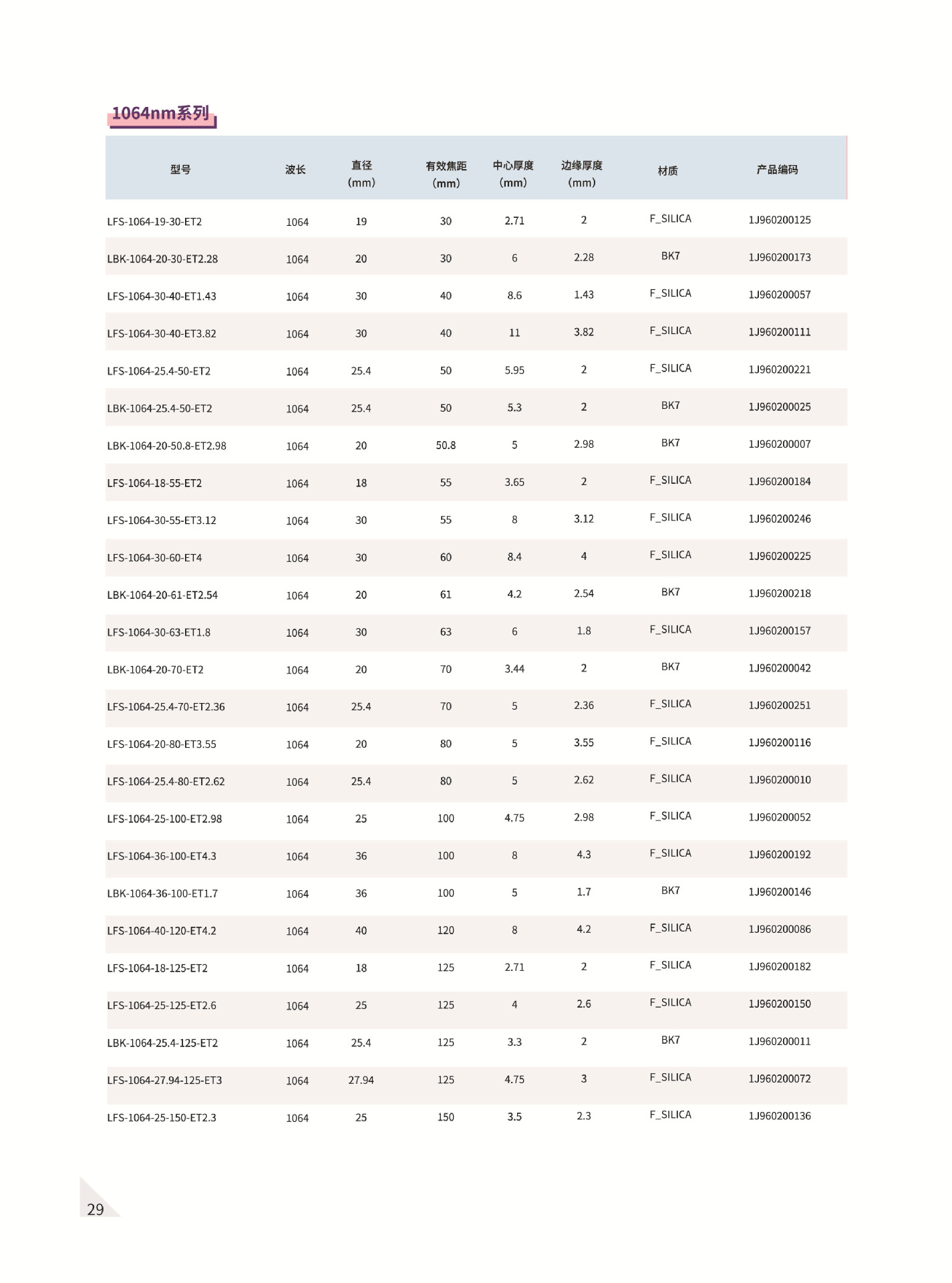
Convex and concave glass focusing lensThis series of glass focusing lenses uses BK7 (LBK) or fused silica (LFS); light enters from one side and exits from the other. The purpose is to modify the wavefront curvature of the light passing through the lens. The laser beam is then focused on very small precise light spots, making it widely used for sculpting graphic images, welding metal sheets together or cutting various types of materials. We have different coatings and materials for different wavelengths.
Air spacer glass focusing lensAir-spaced glass focusing lenses were developed to minimize aberrations and achieve the smallest light spot size. Achromatic triple focusing lenses are color corrected. Both the working laser beam and the inspection visible beam of light will focus on the same focus or the two closest focal points.
Achromatic glued glass focusing lensThese are glued double lenses for 1064nm lasers, as well as lenses for color correction at visible wavelengths. They are composed of a combination of low-dispersion crown glass and high-dispersion flint glass. They are suitable for laser cutting and welding applications with vision systems.
Specifications
Diameter tolerance:+ 0/-0.13 mm
Thickness tolerance: ±0.25mm
Focal length tolerance: ±2%
Edge thickness change(ETV):≤ 3 arc minutes.
Clear aperture: > 90%
Surface flatness:lambda/4 per 1 "diameter @632.8nm
Surface quality:40-20 SD/20-10 S-DAR coating: R < 0.2% per surface
Coating:Available Options | 260 - 400 nm/400 - 700 nm/750 - 110 nm/1000 - 1200 nm/1200 - 1600 nm
For laser cutting, laser welding, laser processing
Zinc selenide focusing lens
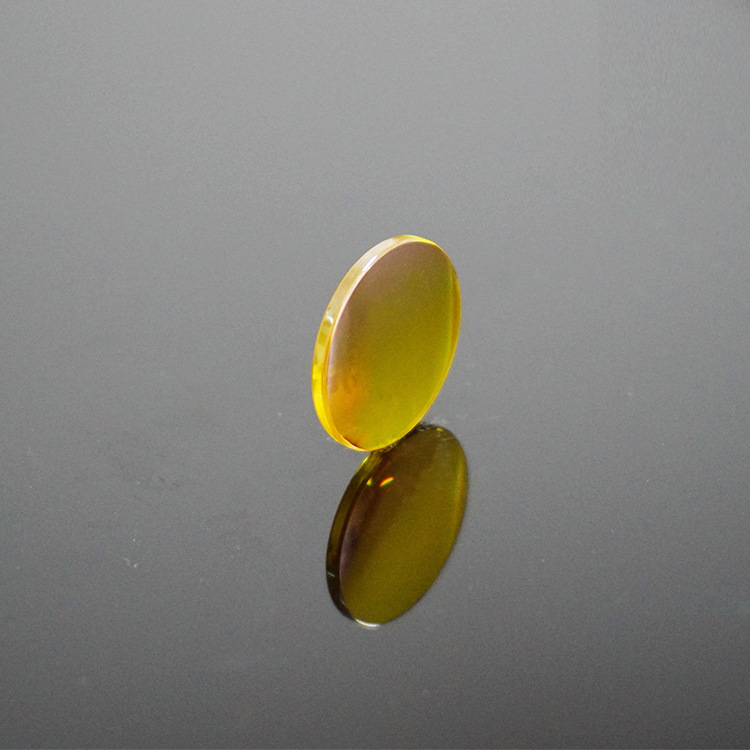
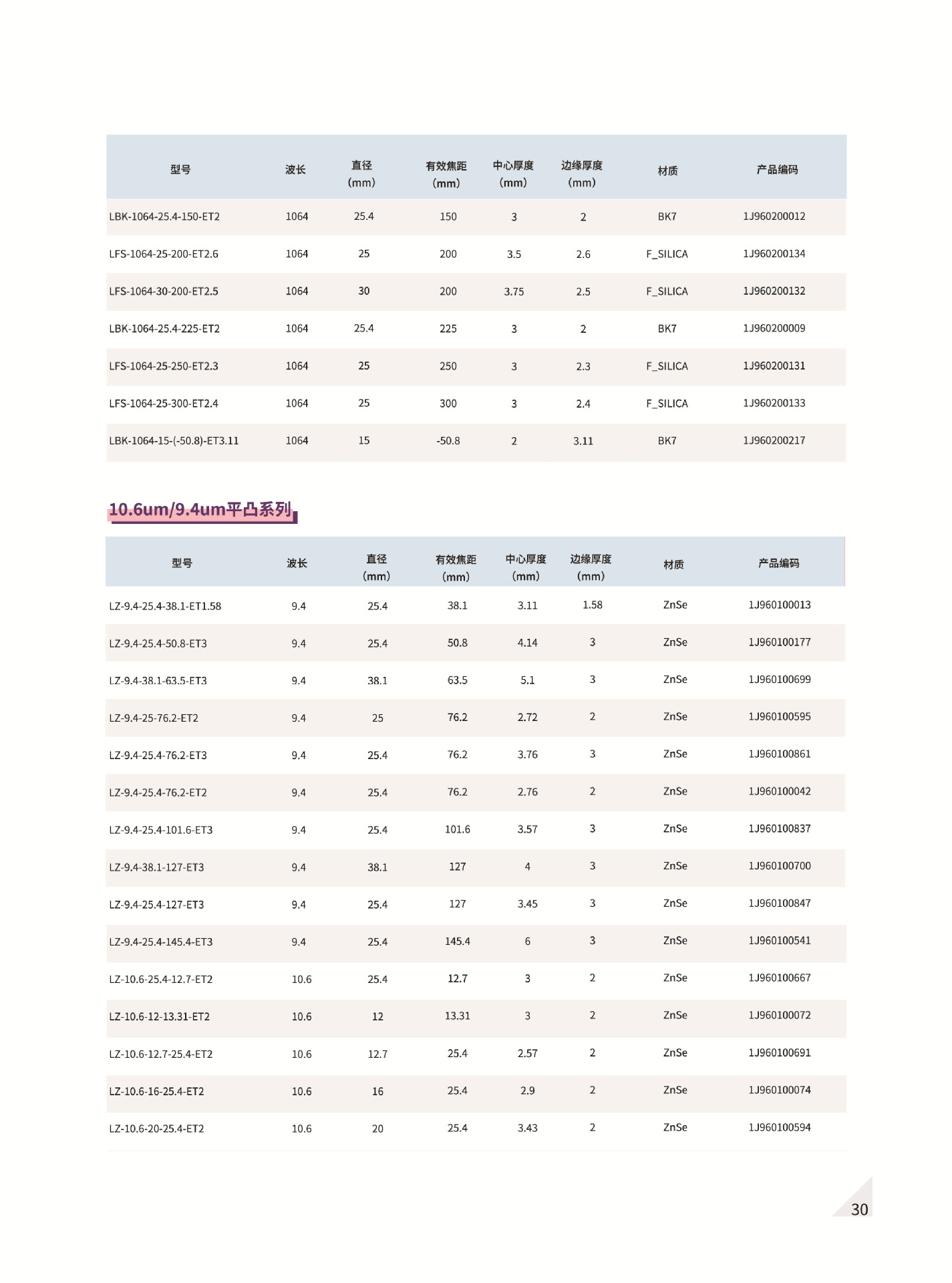
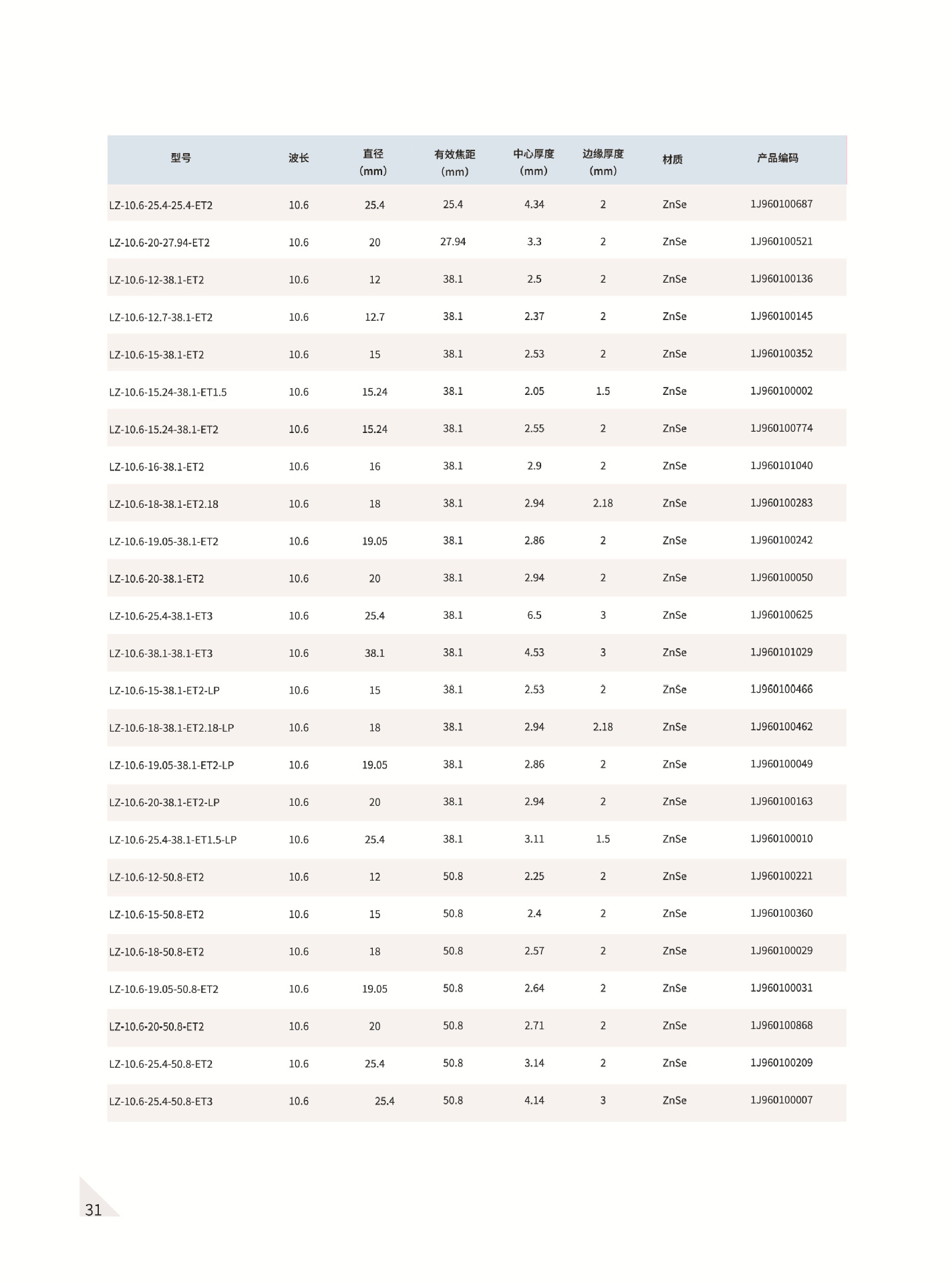
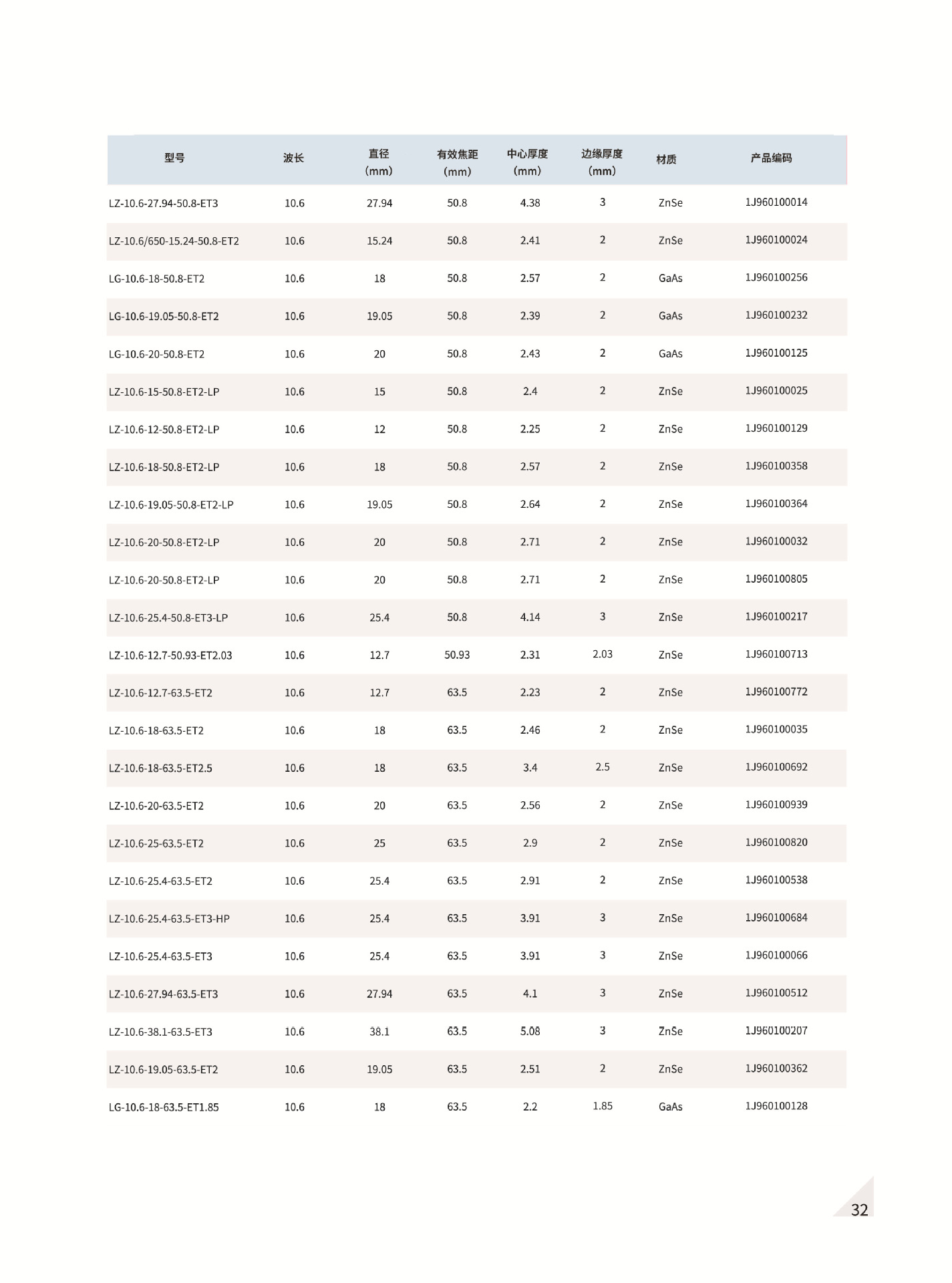
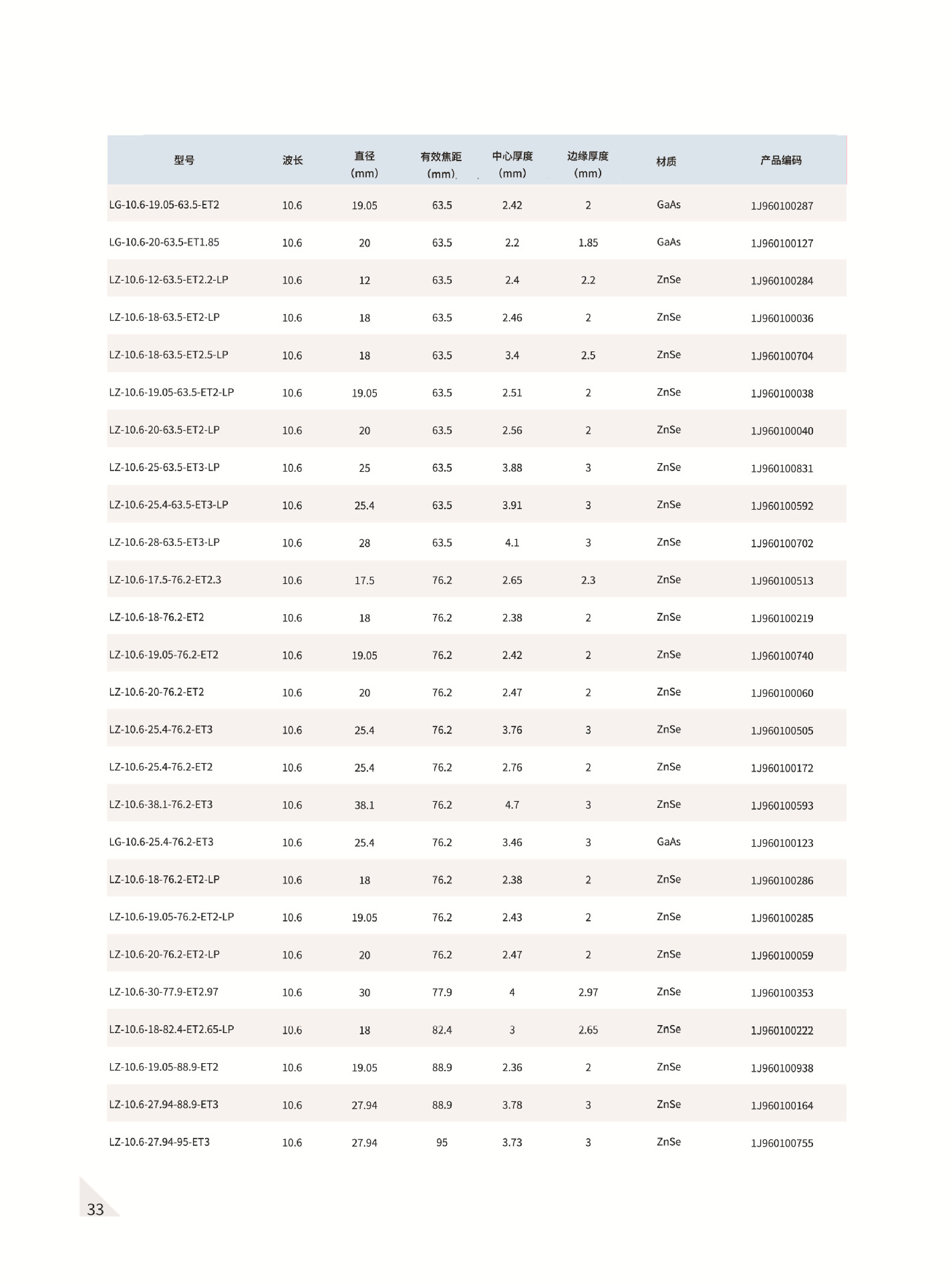
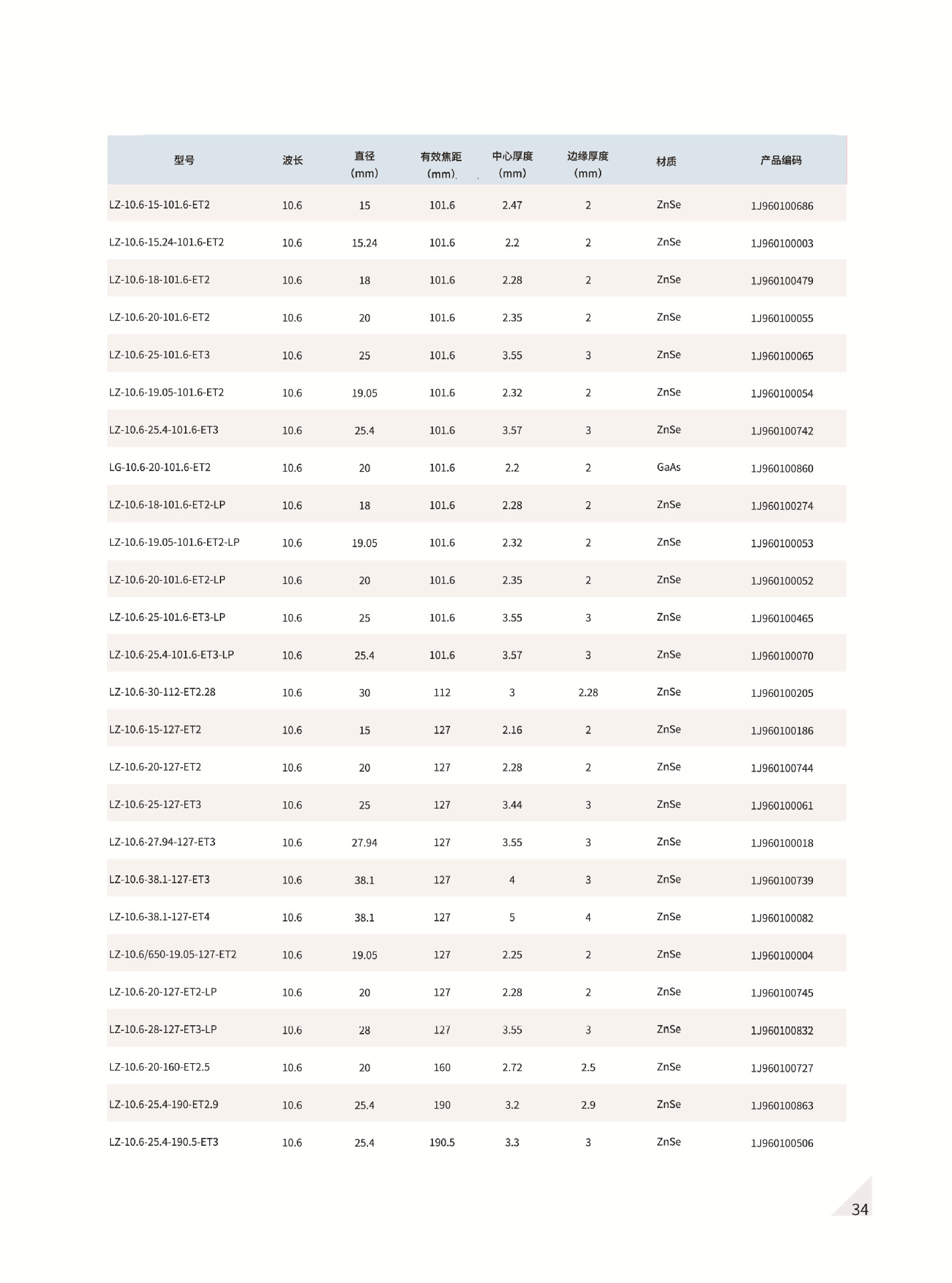
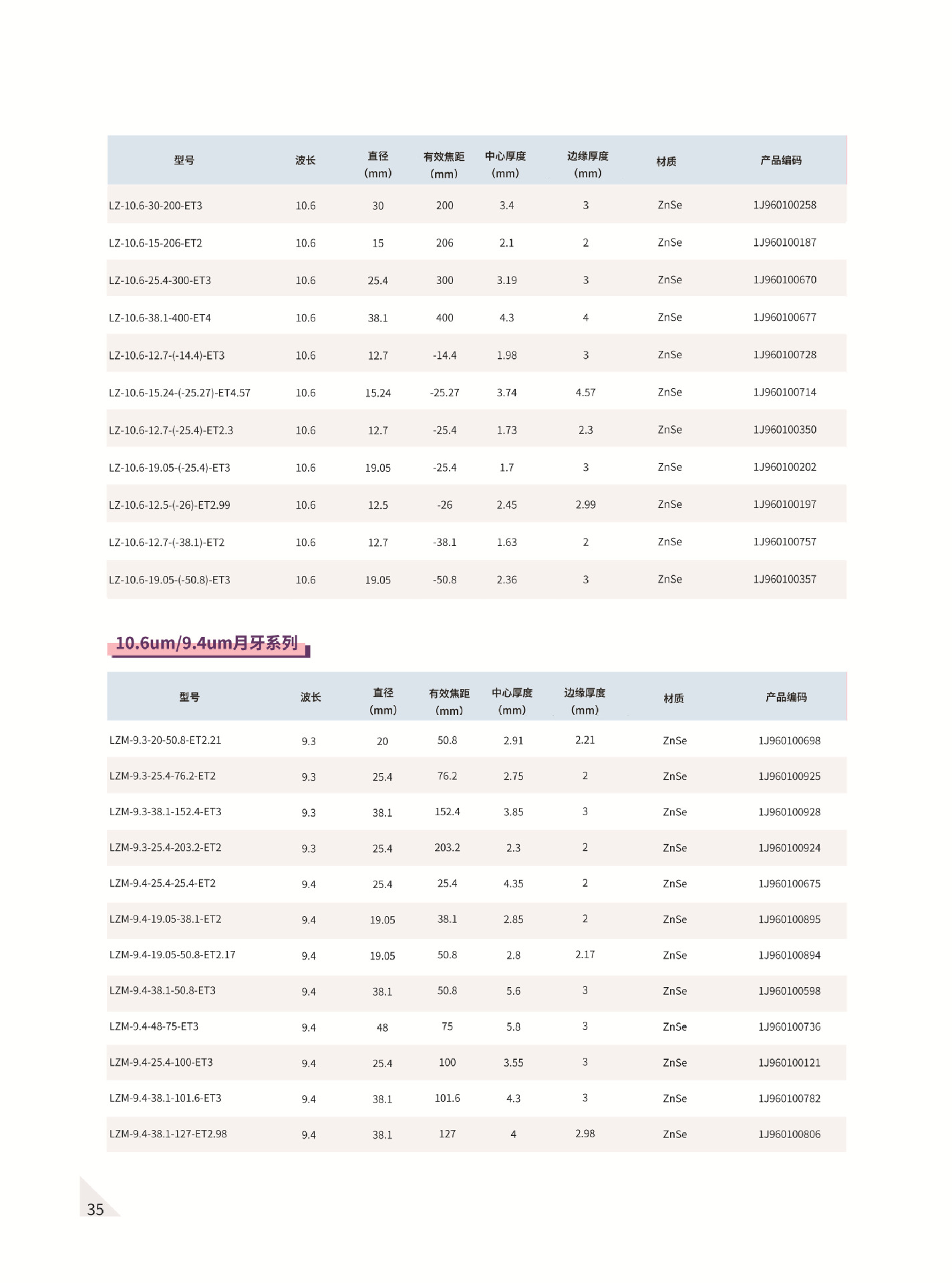
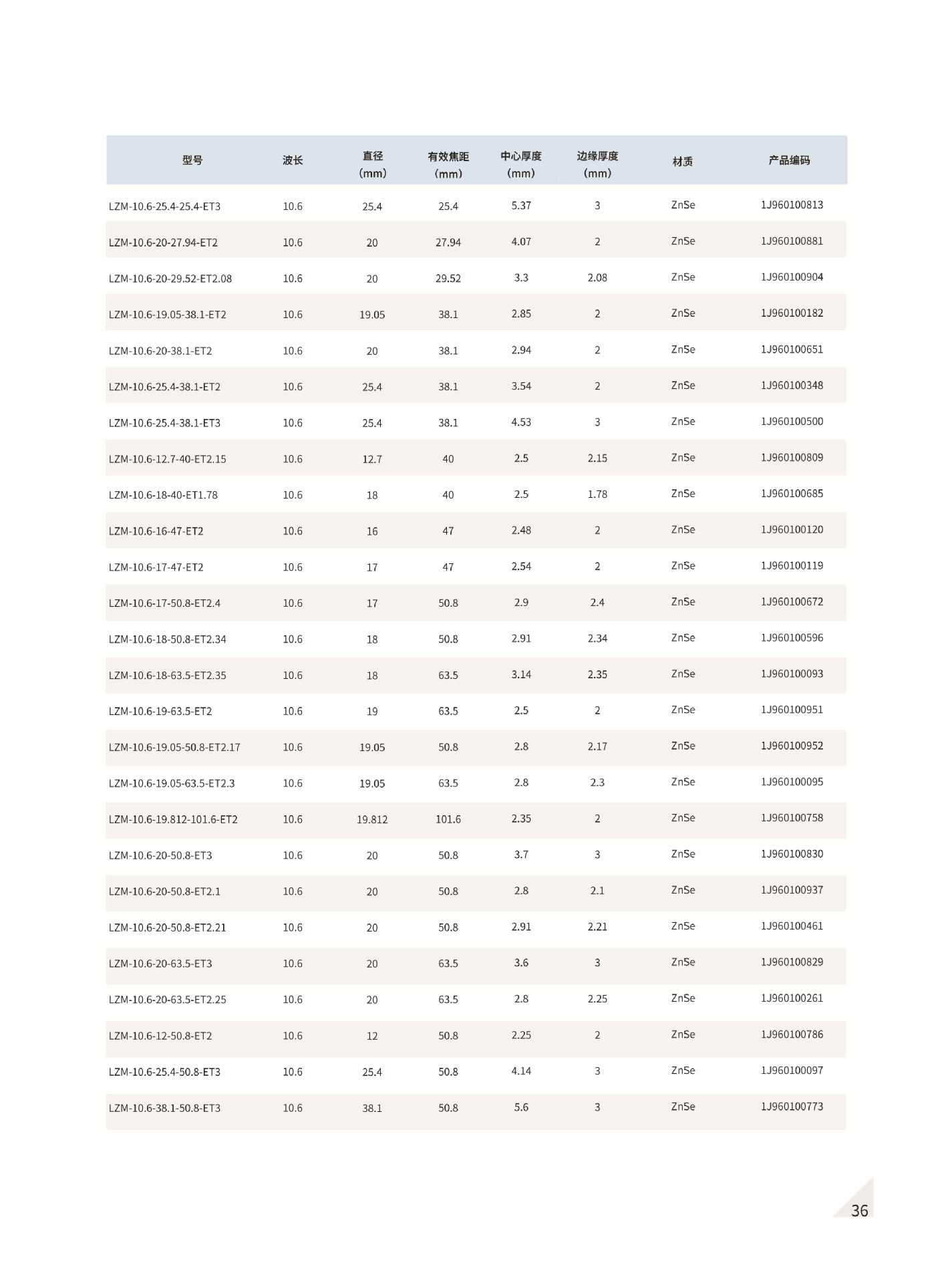
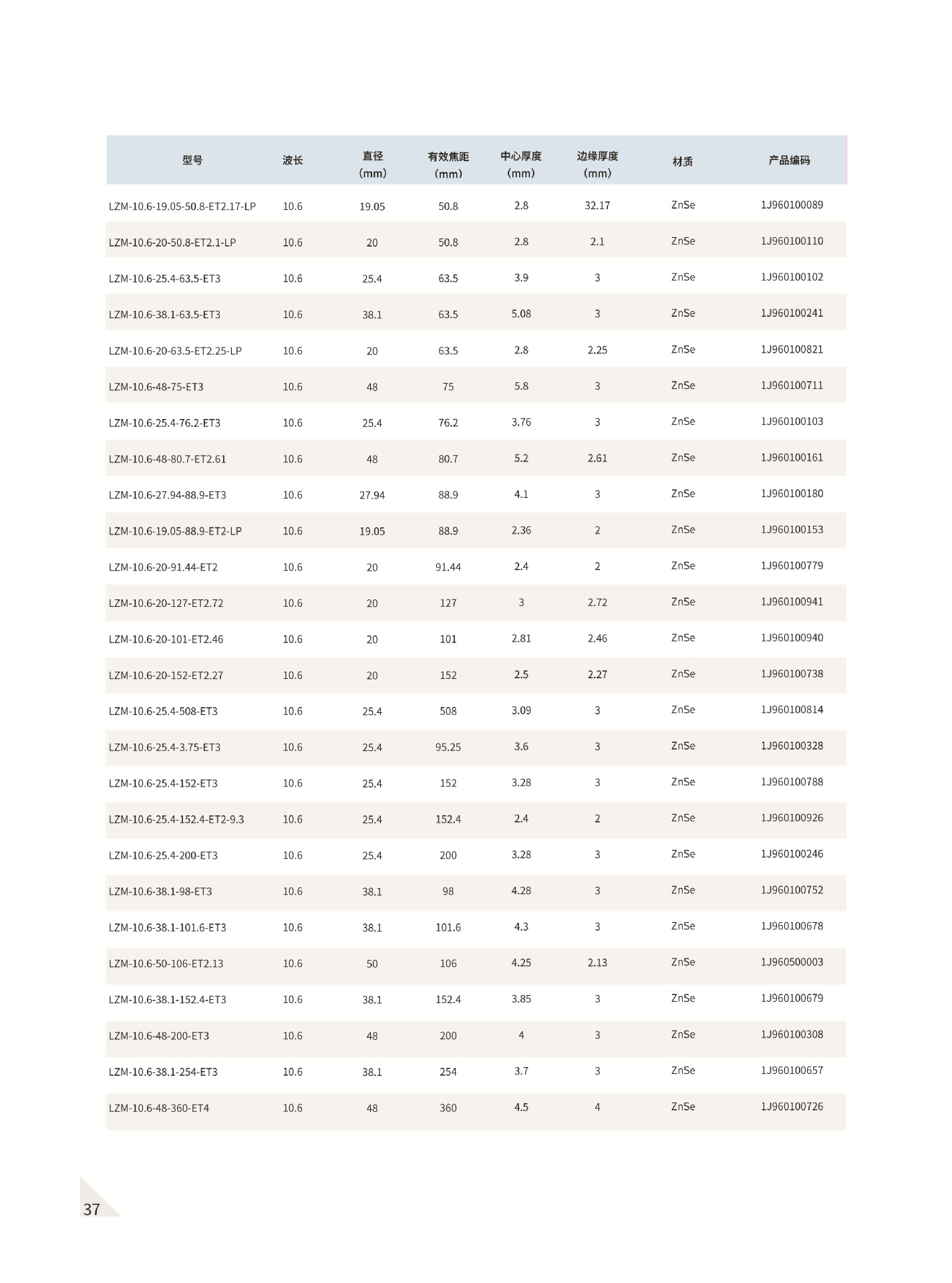
ZnSe plano-convex lenses (LZ) have a positive focal length for focusing a collimated beam of light to a small light spot size. ZnSe plano-concave (LZ) lenses have a negative focal length for diverging a collimated beam of light. The curved surfaces of these lenses should face the light source to minimize spherical aberration. Positive meniscus convex-concave (LZM) lenses are converging lenses with thick central edges that produce realistic images. The radius of curvature of the concave surface is greater than the convex surface of the lens. The convex surface of the lens should face the light source to minimize spherical aberration. It is designed to minimize spherical aberration and produce the smallest focal spot size for incident collimated light.
Widely used in image characterization, metal welding and material cutting, the material is BK7 (H-K9L) or fused silica. Generally coated with anti-reflection film 1064/808/532nm. By modifying the curvature of the light wavefront, the laser beam of light is focused into very small fine light spots.
Diameter tolerance:+ 0/-0.13 mm
Thickness tolerance: ±0.25mm
Focal length tolerance: ±2%
Edge thickness change(ETV):≤ 3 arc minutes.
Clear aperture: > 90%
Surface flatness:Per 4 🥰 lambda/1 diameter @632.8nm
Surface quality: 40-20 S-DAR
Coating:R per surface < 0.2% @10.6 μm
For laser cutting